Recipes are found in cookbooks, which are one of the most popular
 selling genres, on the internet, plus we all have family recipes; but, when I am looking for something different to make, I refer to the cooking classes John and I have taken in a variety of countries. I like the fact that we completed the recipe, know it is correct, plus we have taste-tested it, and that it is ethnically authentic because the class was taught by a local chef. An added benefit is that we get to relive our trip while making the recipe at home.
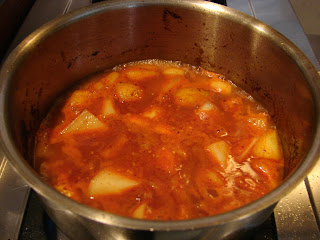
 When my husband, John, and I were in Seoul, Korea, in March 2013 we took a cooking class at O’ngo Food Communications. We made several dishes including Spicy Chicken Stew. The teacher/chef, Hyejin Kim, said it is the recipe that most people want to learn how to make.
Chicken is very versatile and relatively inexpensive so I thought the
 spicy stew would be the perfect dish to make during the winter. I had not tried to make at home. There was another couple in our cooking class which made the class more enjoyable. When the class was finished we dined together on the recipes we made. The chef joined us and we discussed Korean table etiquette.
 Politeness and respect of elders is very important to Koreans. Chef Kim said that while manners have relaxed in Korea just as they have elsewhere many families try to retain the old ways. Korean meals consist of several dishes placed on the table family-style to be shared by everyone. The oldest person sits down first then everyone else may sit. Eating begins when the oldest person picks up their chopsticks. Guests should try to eat at the same pace as the oldest person. When offered an alcoholic drink it is considered impolite to refuse, especially if offered by an elder. If you do not want more to drink do not empty your glass/cup. When offered more food, and you would like more, decline twice and then accept the third time it is offered. Leave a little food on your plate at the end of the meal indicating that the host has provided enough food. There is no point in saving room for dessert because dessert is not commonly served after a meal. Koreans eat quietly saving discussion for after dinner.

1 ½-2 lbs bone-in, skin-on chicken pieces (drumsticks, breasts, and/or wings)
2-3 onions, cut in quarters
4-6 potatoes, peeled and cut to wedges
1 large carrot, peeled and cut to about 1-inch pieces
2 scallions, cut in 1-inch long pieces
1-2 tbsp oil (enough to cover the bottom of the cooking pot)
Sauce
1 tbsp chili sauce
½ tbsp soy sauce
1 tsp chili powder
½ tbsp rice wine
4-6 cloves of garlic, minced
½ tbsp sugar
¼ tsp black pepper
1 tsp sesame seed, crushed
1-2 cups of water

Cut all vegetables, set aside. Mix all the sauce ingredients (not the water), set aside. Put oil in cooking pot (can use a crockpot) on medium heat for three to four minutes. Add vegetables and chicken slowly being careful that the oil doesn’t spatter. Sear for four to five minutes stirring occasionally. Add sauce mixture and water. Bring to a boil. Lower heat to medium. Cook about one-and-half to two hours, or until all ingredients are cooked, and the sauce has thickened. Serve with rice.


Chicken is very versatile and relatively inexpensive so I thought the


Spicy Korean Chicken Stew (Dak Dori Tang)
2-3 onions, cut in quarters
4-6 potatoes, peeled and cut to wedges
1 large carrot, peeled and cut to about 1-inch pieces
2 scallions, cut in 1-inch long pieces
1-2 tbsp oil (enough to cover the bottom of the cooking pot)

Sauce
1 tbsp chili sauce
½ tbsp soy sauce
1 tsp chili powder
½ tbsp rice wine
4-6 cloves of garlic, minced
½ tbsp sugar
¼ tsp black pepper
1 tsp sesame seed, crushed
1-2 cups of water

Cut all vegetables, set aside. Mix all the sauce ingredients (not the water), set aside. Put oil in cooking pot (can use a crockpot) on medium heat for three to four minutes. Add vegetables and chicken slowly being careful that the oil doesn’t spatter. Sear for four to five minutes stirring occasionally. Add sauce mixture and water. Bring to a boil. Lower heat to medium. Cook about one-and-half to two hours, or until all ingredients are cooked, and the sauce has thickened. Serve with rice.


